How to Photograph a Horse for Identification and Long-Term Records
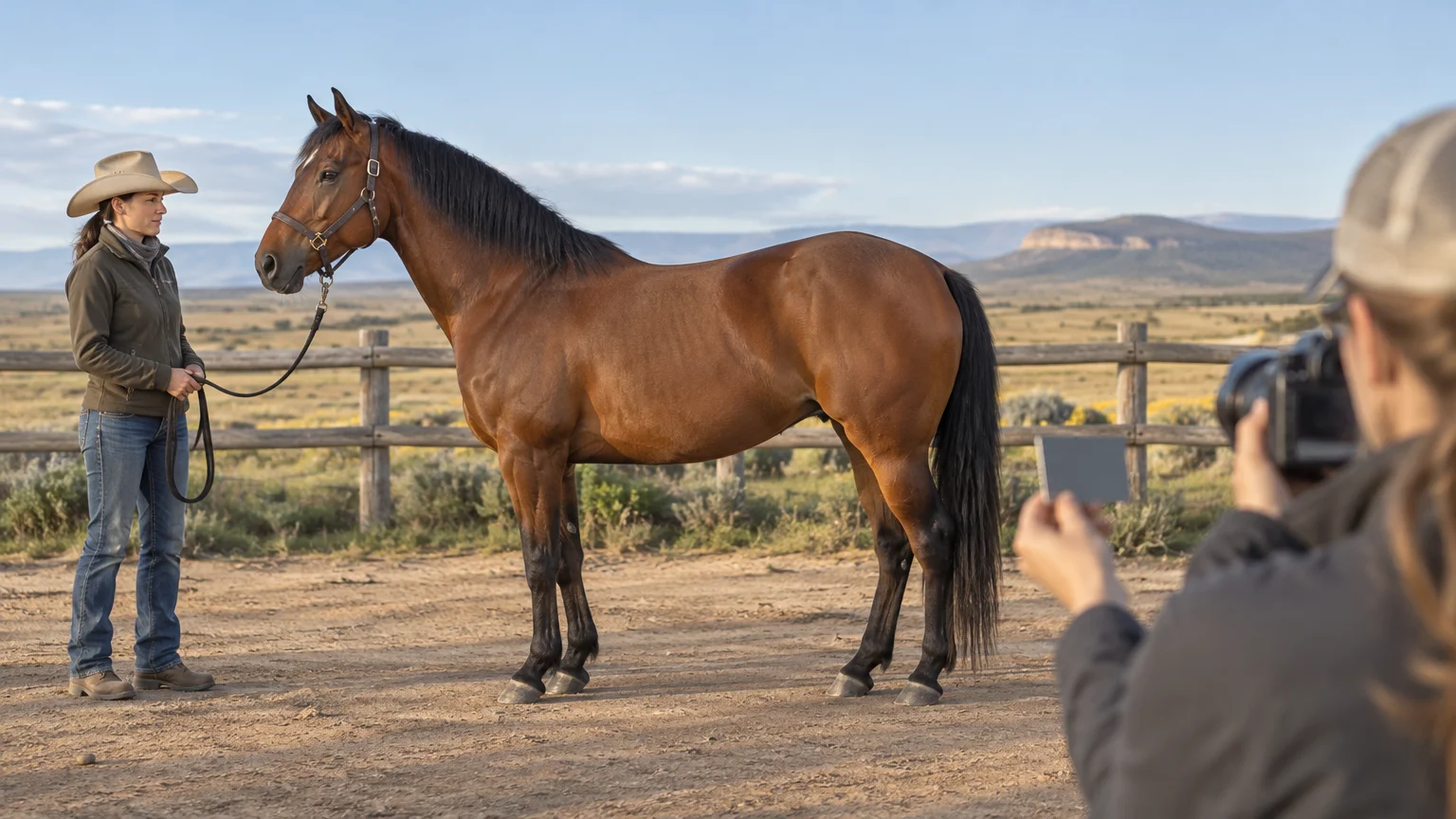
A practical photo sequence for documenting a horse’s full-body appearance, permanent markings, identifying features, and changes over time.

 Lindsay Brezinski
A practical photo sequence for documenting a horse’s full-body appearance, permanent markings, identifying features, and changes over time.
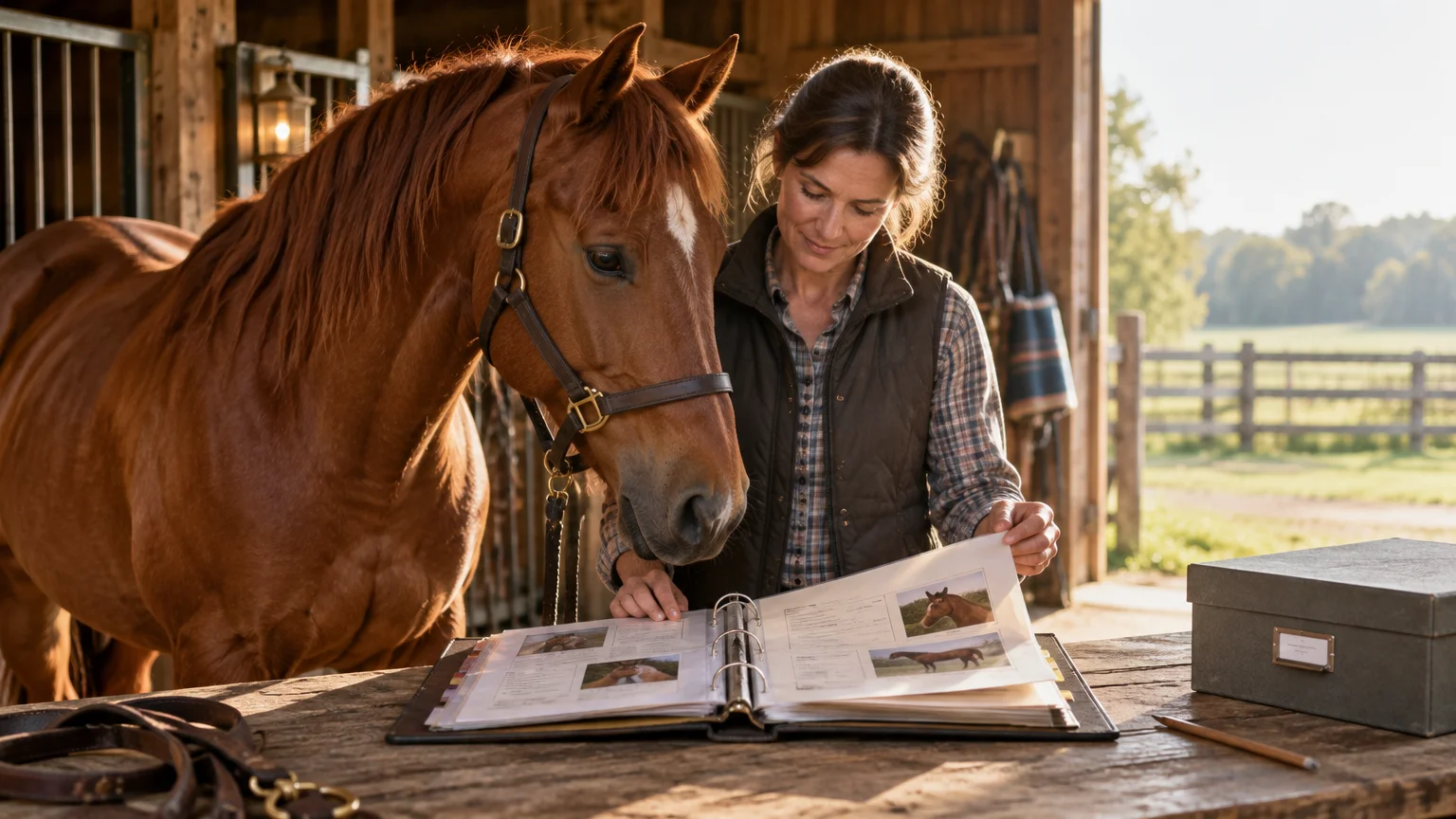
Small heritage horse populations need more than pedigrees or occasional headcounts. Reliable documentation connects each horse’s identity, ancestry, breeding contribution and status over time.
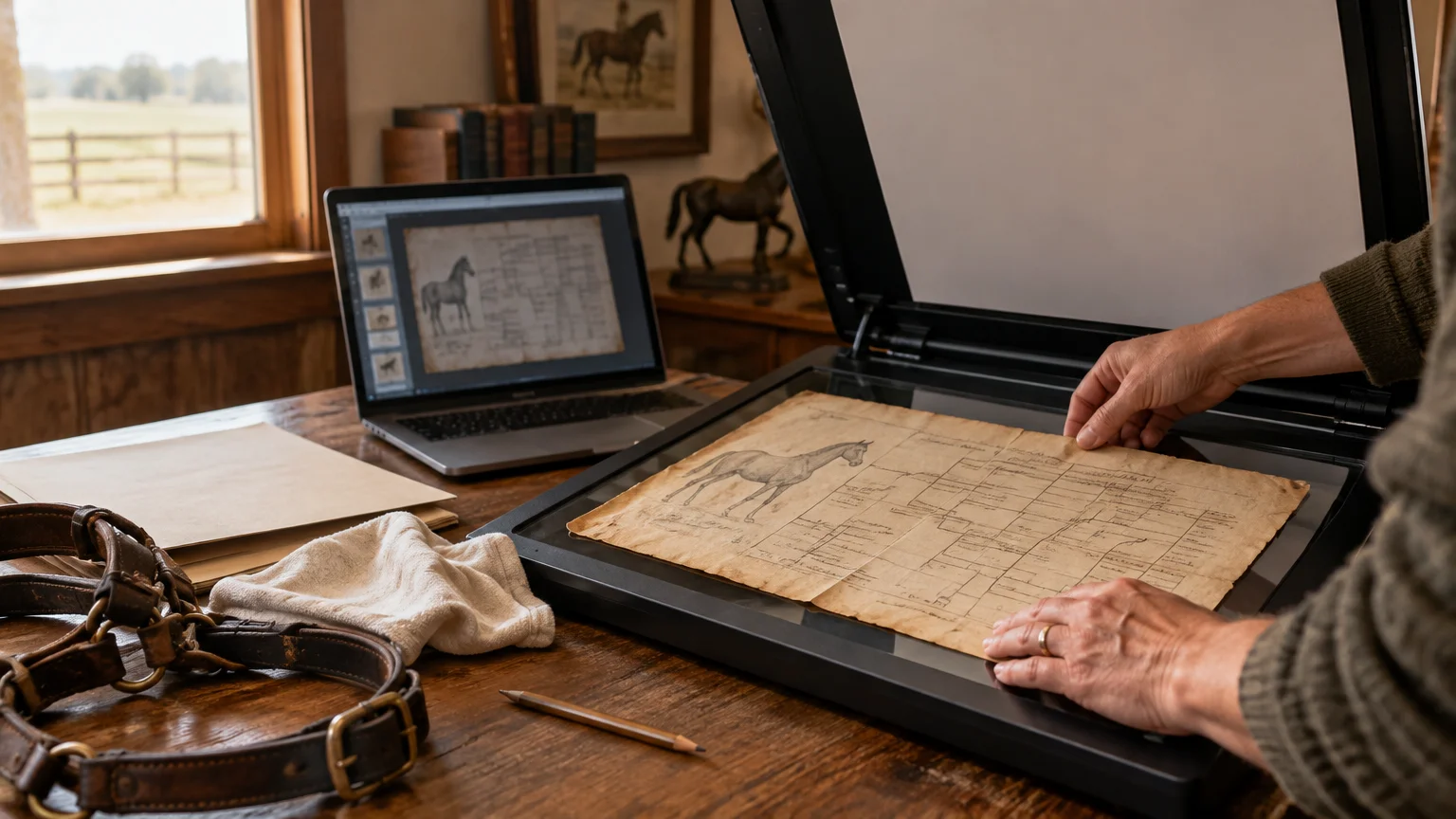
A careful workflow for scanning old horse pedigree charts while preserving handwritten notes, source history, uncertain readings, and links to original records.
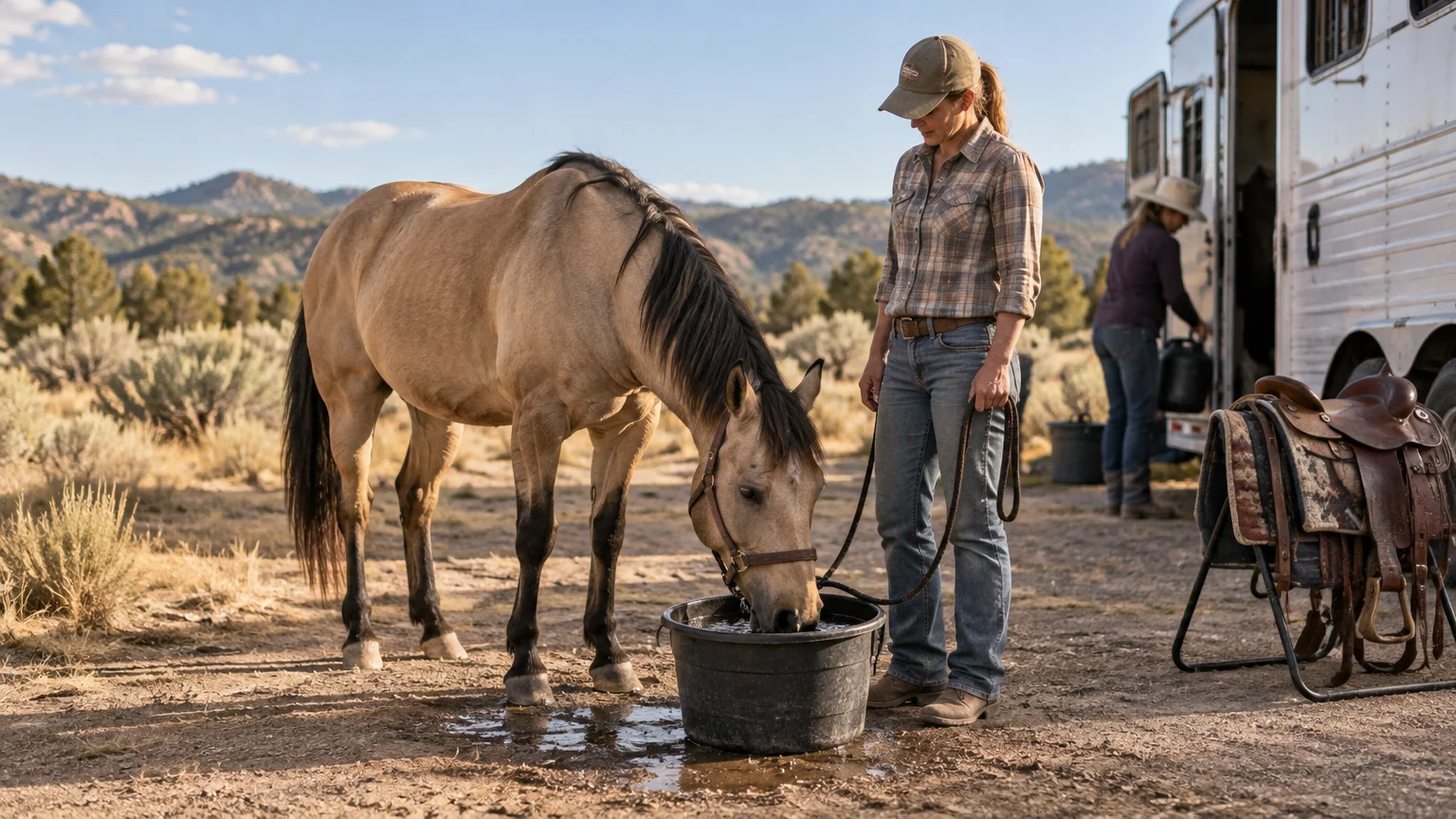
A practical guide to planning trail water, helping horses drink away from home, responding to heat and knowing when hydration concerns should end the ride.
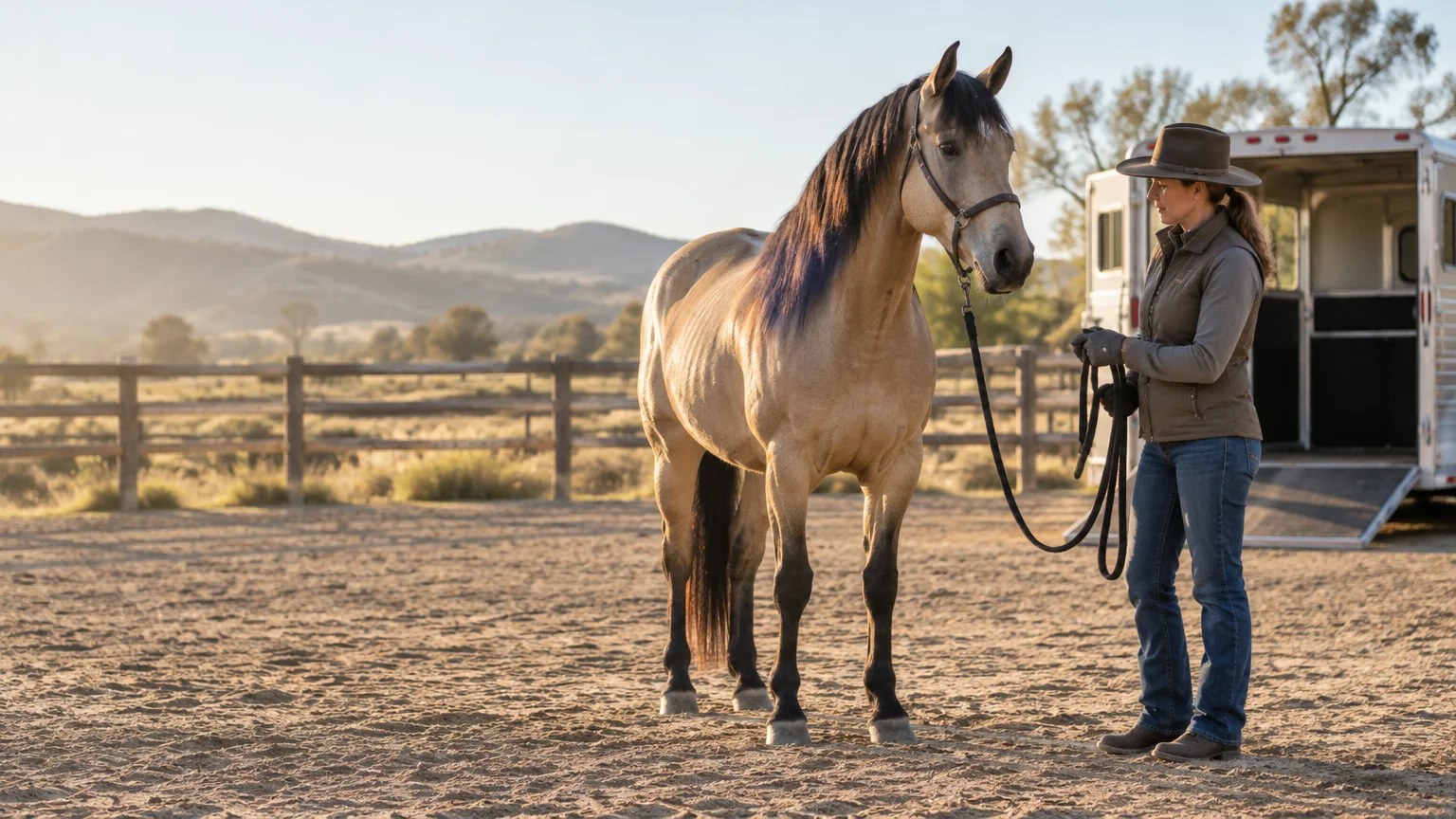
Teach the leading, standing, backing, yielding, and confidence skills that make trailer loading a familiar sequence instead of a departure-day struggle.
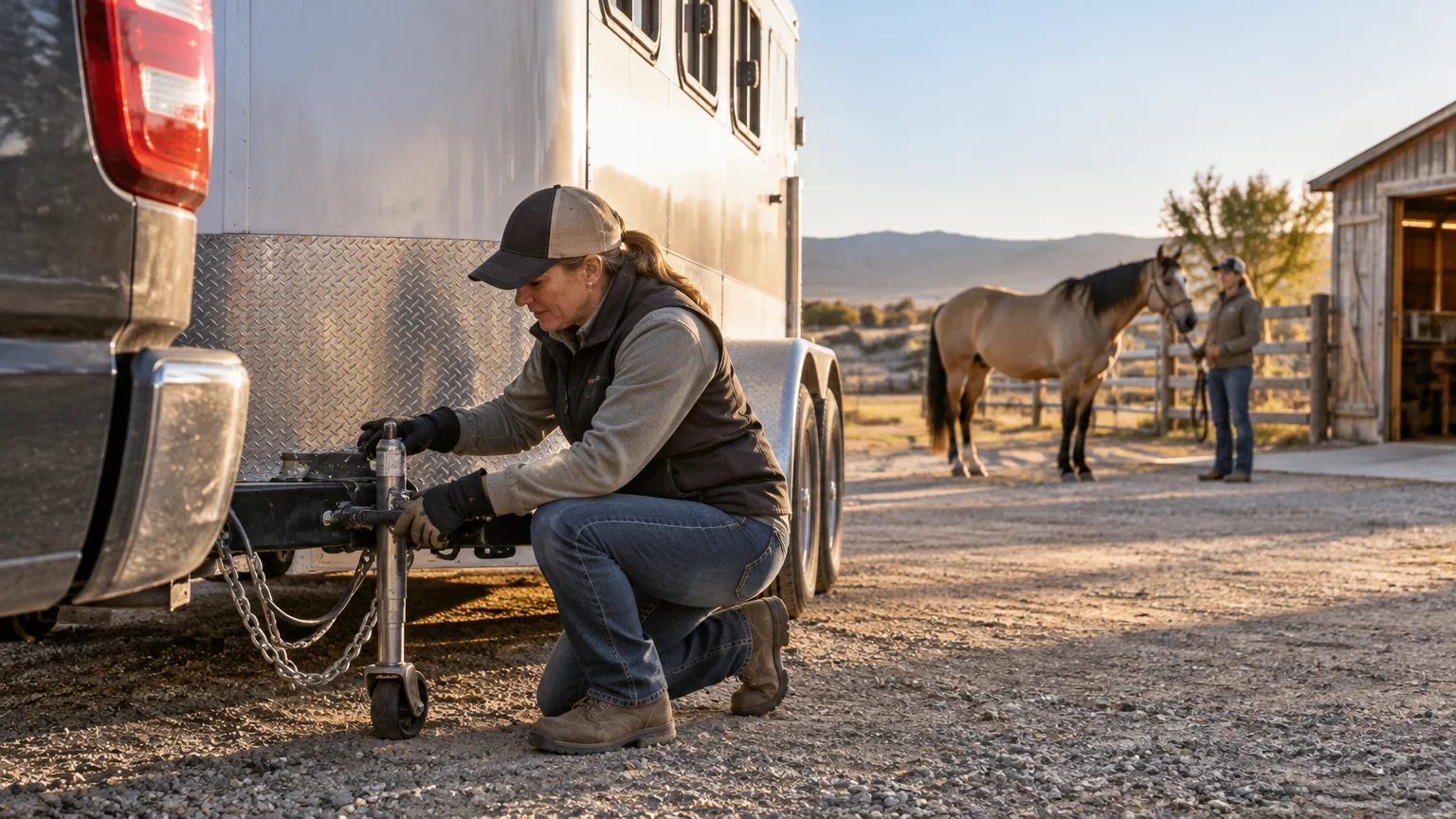
A calm, repeatable inspection for the tow vehicle, hitch, trailer, horse compartment, travel documents, emergency gear, and horse before every trip.
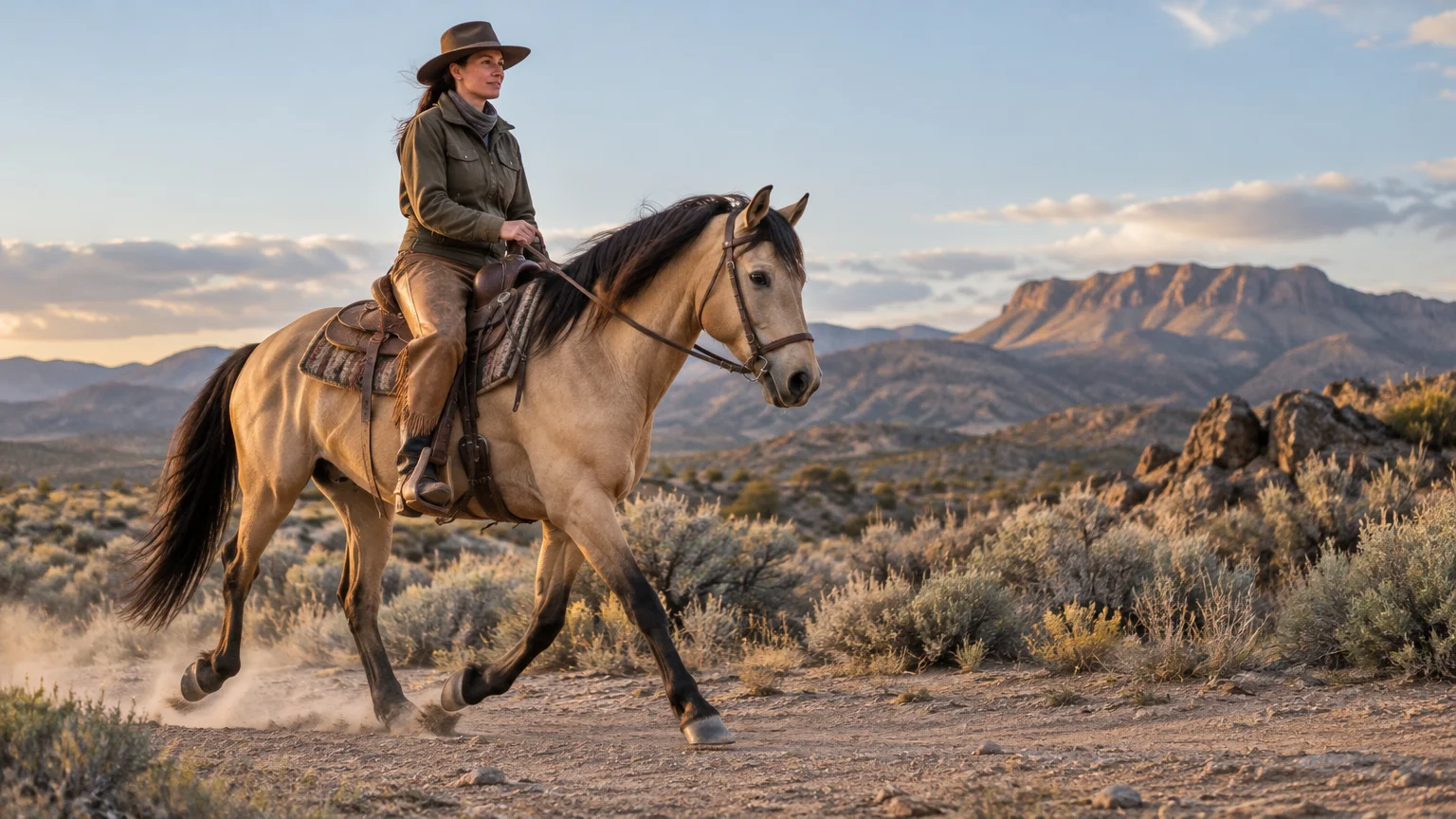
Colonial Spanish horses do not share one universal gait. Learn how to assess stride, balance, intermediate gaits, terrain efficiency, and soundness in the individual horse.
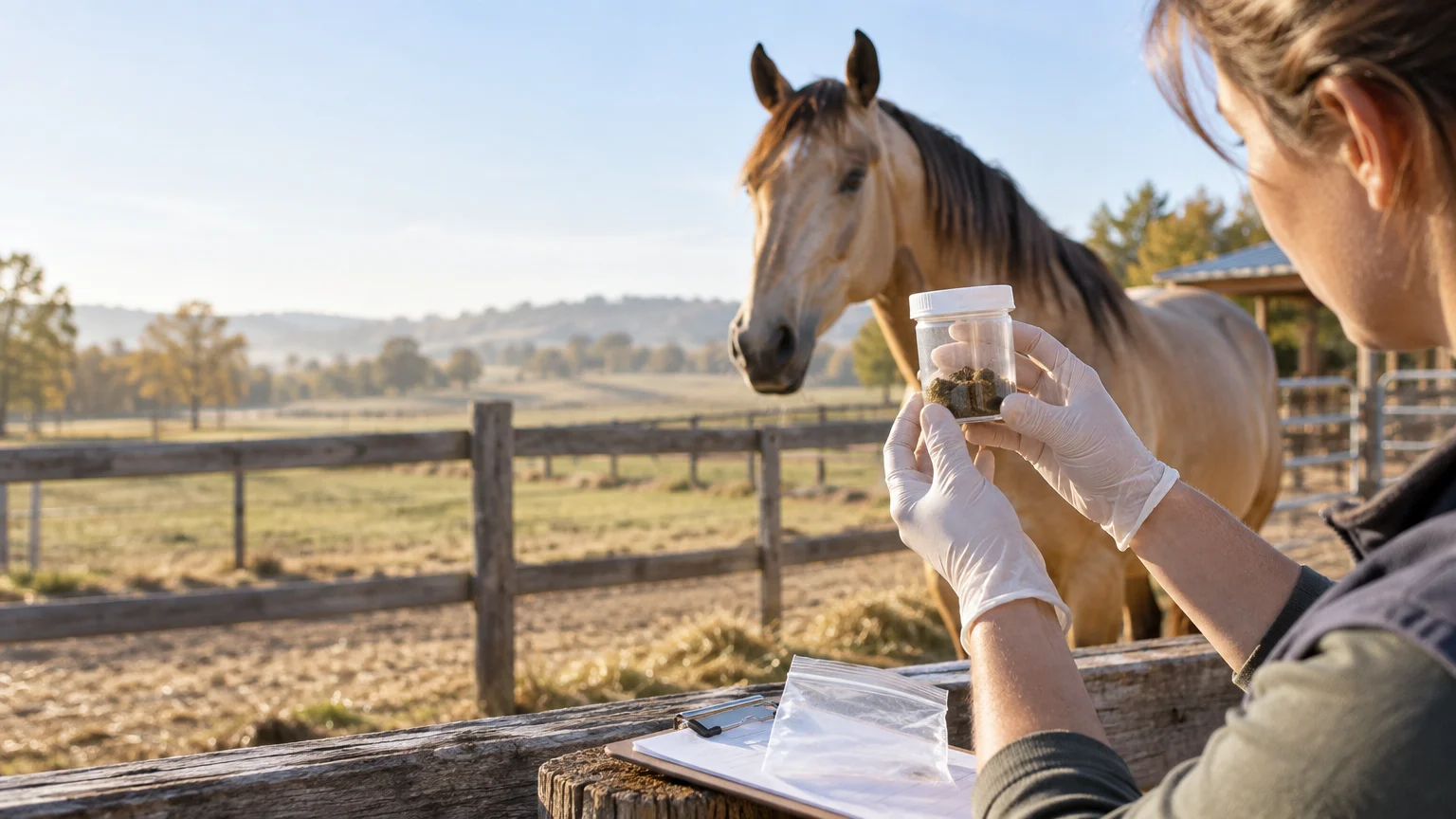
Fecal egg counts can guide targeted deworming in adult horses, but they are not complete parasite screens. Learn how to interpret EPG results, use reduction testing, and build a practical farm-specific routine.
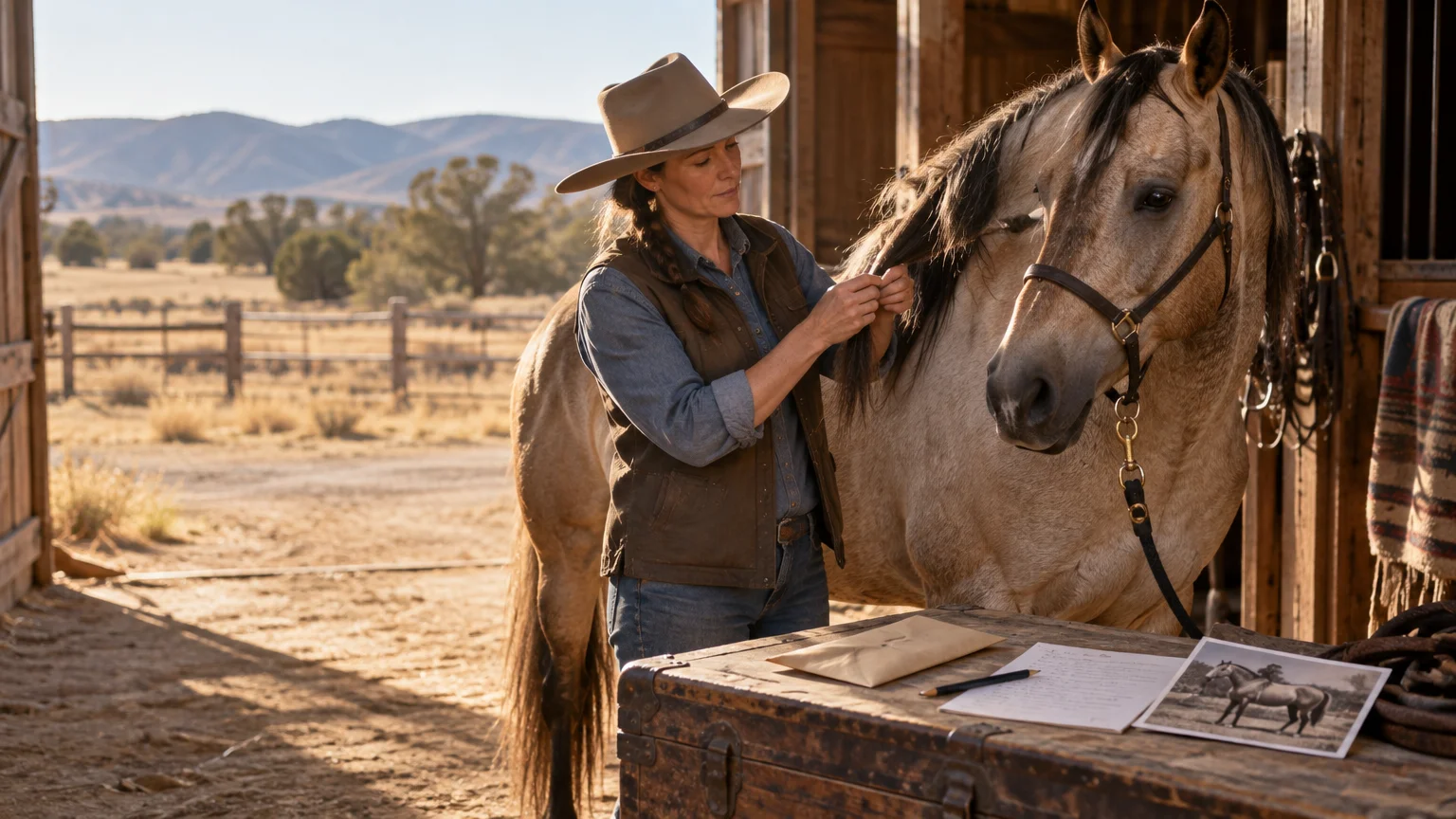
DNA can verify or exclude proposed parents when suitable comparison profiles exist, but it cannot reconstruct an unknown pedigree or grant registry status by itself.
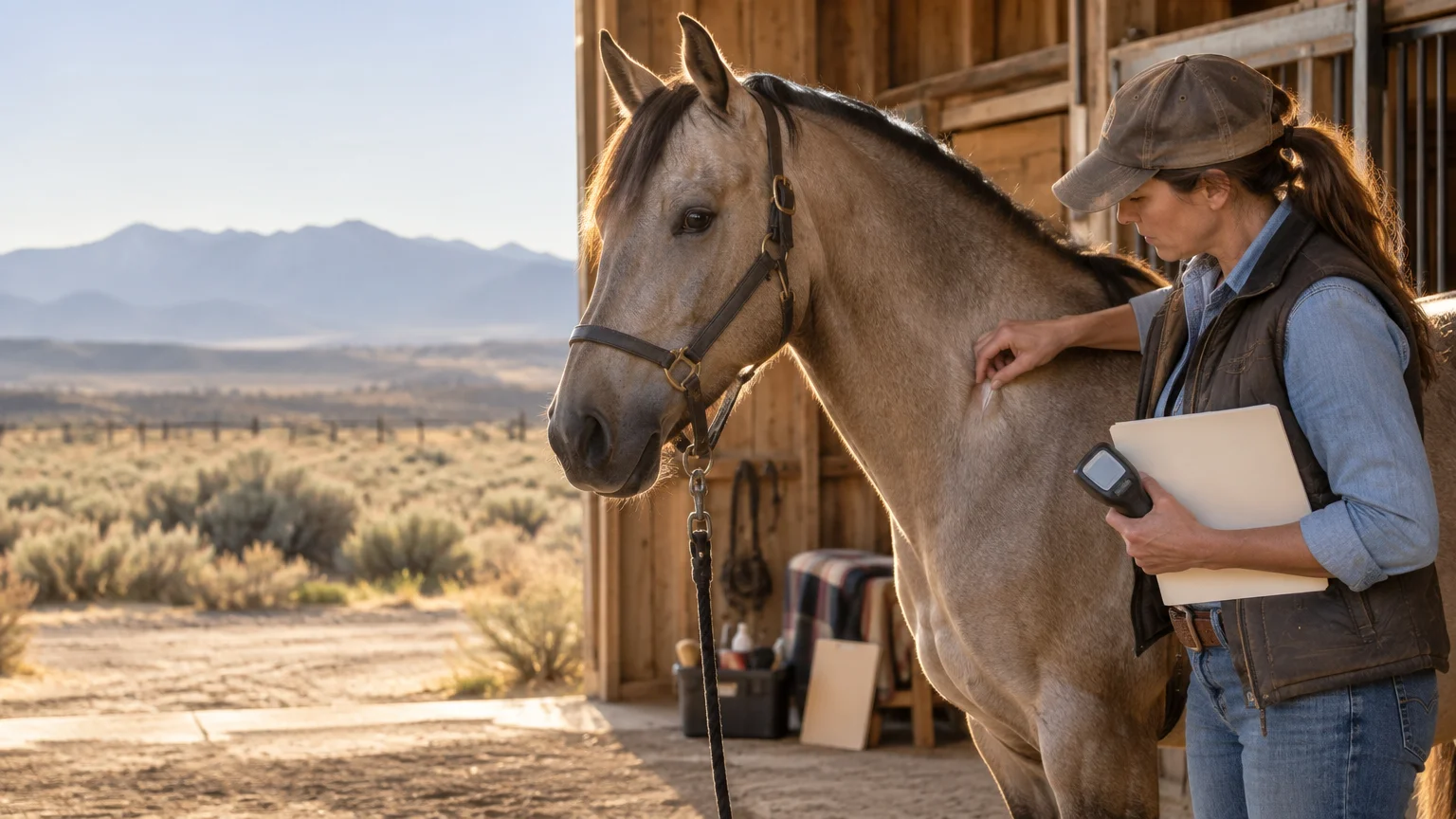
Learn how to combine a verified microchip number, identification photos, written signalment, permanent markings, and supporting papers into a durable horse record.