
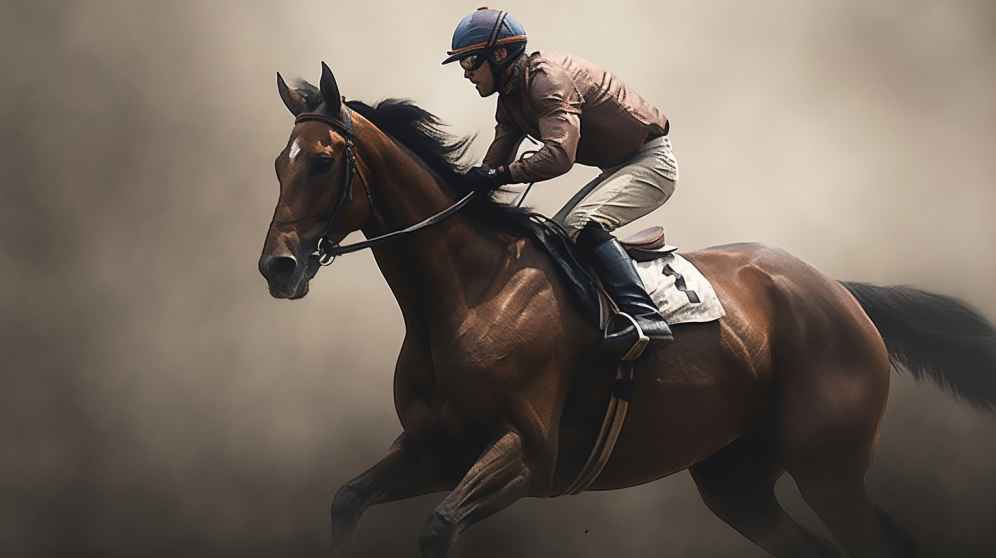
Preparing your horse for race day requires a lot of hard work and dedication. In this comprehensive guide, we’ll provide tips and techniques for building muscle and endurance to help maximize your horse’s potential on the track.
Introduction
Horse racing is a sport that requires a lot of preparation and training. Whether you’re preparing your horse for a local race or a national competition, building muscle and endurance are essential for success on the track. In this article, we’ll provide you with tips and techniques for training your horse for a race, including nutrition, exercise and training, strength training, massage and stretching, and rest and recovery.
Proper Nutrition
Proper nutrition is the foundation for building muscle in horses. A balanced diet that includes plenty of protein, vitamins, and minerals is essential for optimal muscle growth and development. Feeding your horse a diet that is rich in high-quality forage and grain can provide the energy and nutrients necessary to build and maintain muscle. Additionally, it is important to provide your horse with fresh water at all times to help prevent dehydration and improve overall health.
Exercise and Training
Exercise and training are key components in building muscle and endurance in horses. A regular exercise routine that includes both cardio and strength training can help build stamina and endurance, which are essential for race day. Gradually increasing the intensity and duration of your horse’s workouts can help avoid injury and improve overall fitness. Incorporating exercises such as lunging, hill work, and sprints can help target specific muscle groups and increase strength.
Strength Training
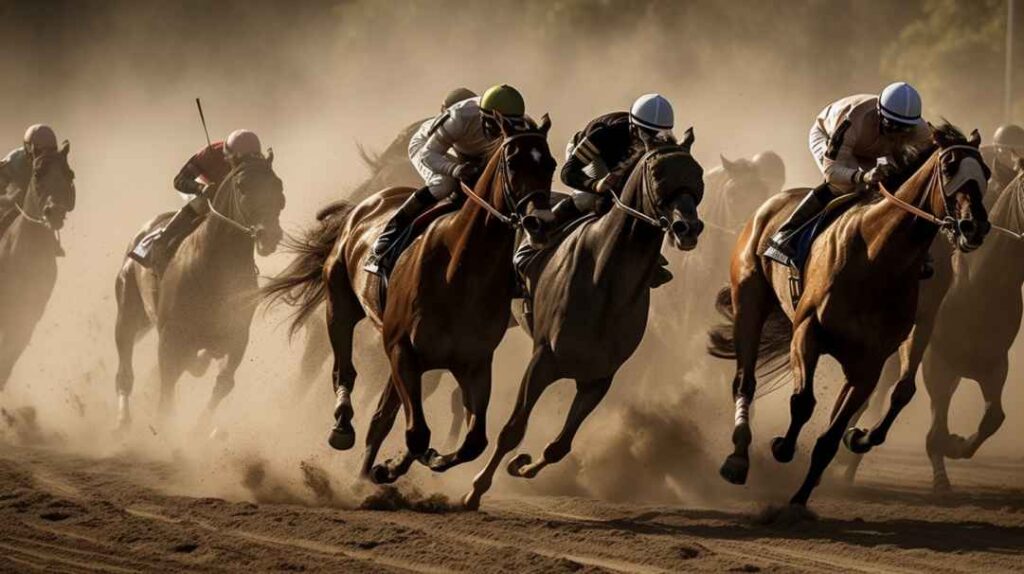
Strength training is a crucial component of building muscle in horses. Resistance training using weights, resistance bands, or bodyweight exercises such as squats, lunges, and push-ups can help build muscle in specific areas. Focusing on building strength in the legs, back, and core muscles can improve a horse’s speed and agility on the track.
Massage and Stretching
Massage and stretching can also help build muscle and prevent injury in horses. Massage helps increase blood flow and loosen up tight muscles, while stretching helps improve flexibility and range of motion. Incorporating these techniques into your horse’s training regimen can help improve overall muscle health and prevent injury.
Rest and Recovery
Rest and recovery are just as important as exercise and training when it comes to building muscle and endurance in horses. Allowing your horse plenty of time to rest and recover between workouts gives their muscles time to repair and grow stronger. Proper rest and recovery can also help prevent injury and improve overall performance on race day.
Supplemental Nutrition
In addition to a balanced diet, supplemental nutrition can help horses build muscle and improve performance. Supplements such as amino acids, antioxidants, and omega-3 fatty acids can help support muscle growth and repair, reduce inflammation, and improve overall health.
Monitoring Progress
Monitoring your horse’s progress is important to ensure that your training program is effective. Keeping track of your horse’s weight, body condition score, and overall health can help identify any areas that need improvement. Additionally, tracking your horse’s performance on the track can help you determine if adjustments need to be made to their training regimen.
Working with a Professional
Working with a professional trainer or equine nutritionist can help you develop an effective training program for your horse. These professionals can provide guidance and support throughout the training process, helping you identify areas that need improvement and providing feedback on your horse’s progress.
incorporating these techniques into your horse’s training regimen and working closely with a professional, you can help your horse reach their full potential on race day. Remember to always prioritize your horse’s health and well-being, and never push them beyond their limits.
Tips for Building Muscle and Endurance in Horses
To help you get started with building muscle and endurance in your horse, here are some tips and techniques to keep in mind:
Start Slow and Gradually Increase Intensity
When it comes to building muscle and endurance in horses, it’s important to start slow and gradually increase the intensity of your workouts over time. This will help prevent injury and ensure that your horse is able to build strength and stamina safely and effectively.
Focus on Building Strength in Key Areas
To improve your horse’s speed and agility on the track, it’s important to focus on building strength in key areas, such as the legs, back, and core muscles. Exercises such as lunges, squats, and push-ups can help target these areas and build muscle effectively.
Monitor Your Horse’s Nutrition
Proper nutrition is essential for building muscle and endurance in horses. Be sure to monitor your horse’s diet closely, and provide them with high-quality forage and grain that is rich in protein, vitamins, and minerals. Additionally, consider incorporating supplements into their diet to support muscle growth and repair.
Incorporate Massage and Stretching
Massage and stretching can help prevent injury and improve overall muscle health in horses. Consider incorporating these techniques into your horse’s training regimen to help improve flexibility and range of motion, and reduce the risk of injury.
Allow for Ample Rest and Recovery
Rest and recovery are crucial components of building muscle and endurance in horses. Be sure to allow your horse ample time to rest and recover between workouts, and monitor their overall health closely to ensure that they are able to train effectively without risking injury.
Conclusion
Building muscle and endurance in horses is essential for success on the track. By incorporating proper nutrition, exercise and training, strength training, massage and stretching, rest and recovery, supplemental nutrition, monitoring progress, and working with a professional, you can help your horse reach their full potential on race day. Remember to always prioritize your horse’s health and well-being, and never push them beyond their limits. With hard work, dedication, and the right techniques, you can help your horse achieve greatness on the track.