

Becoming a jockey is an exciting and demanding pursuit that requires dedication, skill, and the right equipment. Aspiring jockeys must equip themselves with the necessary gear to ensure their safety, comfort, and optimal performance on the racecourse. In this comprehensive guide, we will delve into the various types of gear that jockeys rely on to excel in the exhilarating world of horse racing.
1. Safety Gear
Riding Helmet
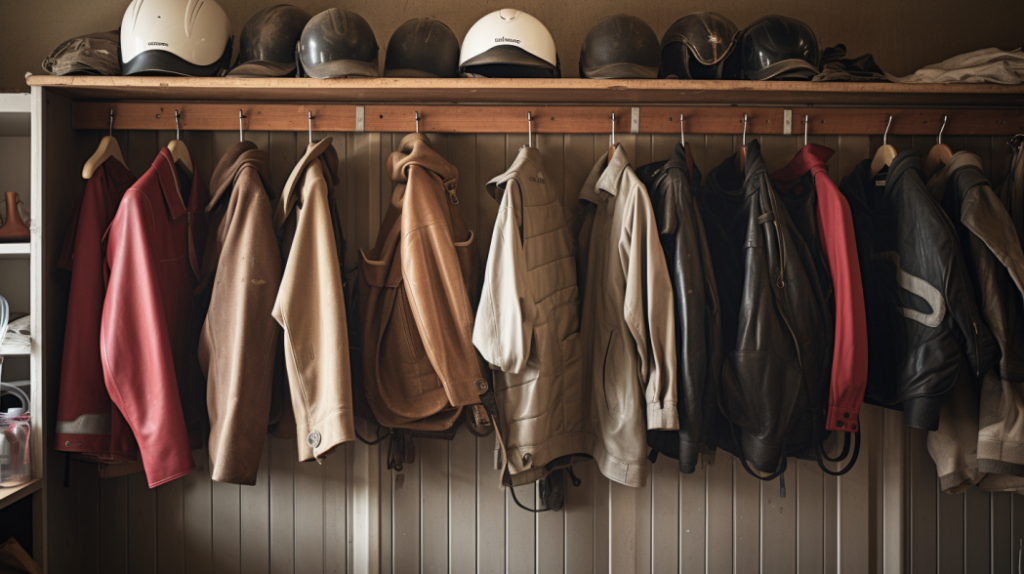
The riding helmet is arguably the most crucial piece of gear for a jockey. Designed to protect the head from potential impacts and falls, a well-fitted and certified riding helmet is a non-negotiable safety requirement. These helmets are constructed with lightweight materials, such as fiberglass or carbon fiber, and are equipped with padding for comfort and shock absorption.
Body Protector
To safeguard against potential injuries, jockeys wear body protectors or vests. These vests are specifically designed to absorb impact and distribute the force across a wider area of the body. Made of flexible and lightweight materials, body protectors provide an extra layer of protection for the chest, back, and sides.
Safety Stirrups
Safety stirrups are another essential safety feature for jockeys. These stirrups are designed to release the rider’s foot in the event of a fall, preventing the foot from becoming trapped and potentially causing further injury. Some safety stirrups incorporate features like a 45-degree angle, which helps to reduce the risk of the rider being dragged by the horse.
2. Riding Apparel
Racing Silks
Racing silks are a distinctive and iconic part of a jockey’s attire. These colorful and personalized garments, often adorned with the owner’s or stable’s logo, allow spectators and race officials to identify individual jockeys during the race. Racing silks can be made from lightweight, breathable materials to ensure comfort and flexibility while riding.
Breeches and Jodhpurs
Jockeys typically wear breeches or jodhpurs, which are snug-fitting pants designed specifically for horse riding. These pants provide a comfortable and secure fit, allowing jockeys to maintain a close contact with the horse while minimizing excess fabric that could impede movement. Breeches are usually made of stretchable materials for flexibility and freedom of movement.
Boots
Boots are an essential component of a jockey’s gear. Jockey boots are specifically designed for horse riding, with features like a low heel and a smooth sole for a secure grip in the stirrups. These boots are typically made from durable leather or synthetic materials and provide ankle support and protection.
3. Riding Equipment
Saddles
The saddle is a crucial piece of equipment for both the horse and the jockey. Racing saddles are designed to be lightweight and minimalistic, allowing the jockey to maintain a low profile while riding. These saddles have a shallow seat and shorter stirrup bars, enabling the jockey to maintain balance and control while reducing weight.
Whips
Whips, although controversial, are part of the traditional gear used by jockeys. They are primarily used as an aid to encourage and guide the horse during the race. Modern racing whips are designed to be lightweight and flexible, allowing the jockey to exert control without causing harm to the horse. It is essential for jockeys to use whips responsibly and in accordance with racing regulations.
Goggles
Jockeys often wear goggles to protect their eyes from flying debris, dirt, and potential injury during a race. These goggles are specially designed to fit snugly around the eyes and provide clear vision while riding at high speeds. Goggles also help jockeys maintain focus and prevent distractions, allowing them to concentrate on their race strategy.
4. Additional Equipment
Stopwatch
A stopwatch is a valuable tool for jockeys during training and races. It allows them to accurately time their rides and analyze their performance. Jockeys use stopwatches to track their speed, evaluate their timing in relation to other horses, and make strategic decisions during the race.
Communication Devices
In some instances, jockeys may use communication devices to receive instructions from trainers or relay information to their teams during a race. These devices, such as wireless earpieces, enable jockeys to stay connected and receive real-time guidance or updates from the team on the ground.
Conclusion
Becoming a jockey requires more than just skill and determination; it necessitates the right gear for safety, comfort, and optimal performance. From safety helmets and body protectors to specialized racing silks and saddles, the gear worn by jockeys is carefully designed to meet the unique demands of horse racing. By equipping themselves with the essential gear outlined in this comprehensive guide, aspiring jockeys can set themselves up for success and embark on an exhilarating career in the thrilling world of horse racing.