
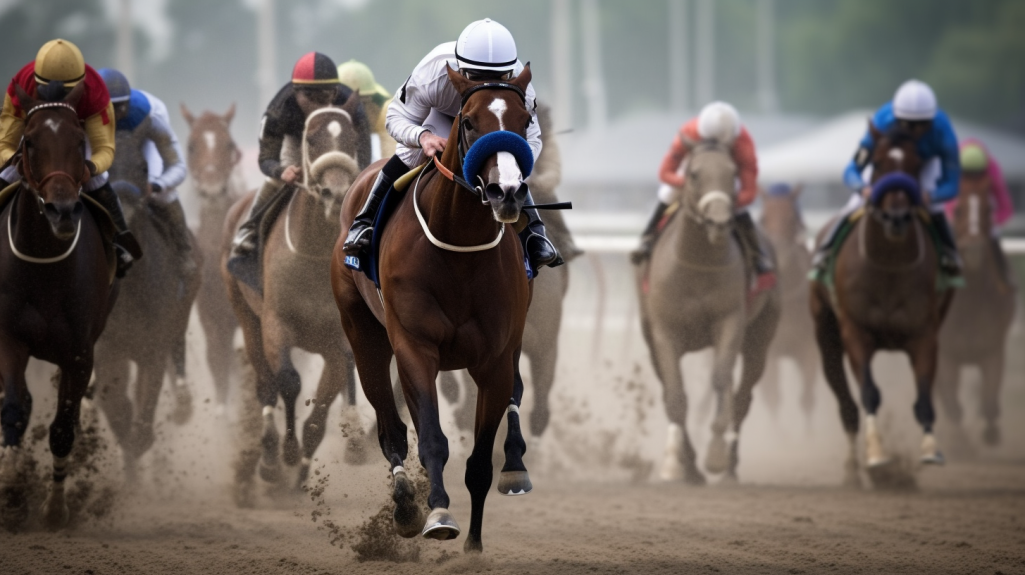
Horse betting has been an integral part of human culture for centuries, tracing its roots back to ancient civilizations where horses were not only means of transportation but also a source of entertainment and competition. Today, horse racing remains a thrilling sport, captivating millions around the globe with its combination of speed, strategy, and sheer excitement. Betting on these magnificent creatures adds another layer of thrill for enthusiasts and bettors alike. In this comprehensive guide, we will explore the world of horse betting, from understanding the basics to advanced strategies that can help you make informed decisions and increase your chances of winning.
Understanding the Basics
Before diving into the strategies, it’s crucial to understand the basics of horse betting:
- Types of Bets:
- Win: Betting on a horse to finish first.
- Place: Betting on a horse to finish first or second.
- Show: Betting on a horse to finish first, second, or third.
- Each-Way: A combination of win and place bets, where you bet on a horse to win and/or place.
- Exotic Bets: More complex bets like exacta (predicting the first two horses in order) and trifecta (predicting the first three horses in order).
- Odds and Payouts:
- Odds: Represent the probability of a horse winning the race. Lower odds mean higher chances of winning but lower payouts.
- Payouts: Calculated based on the odds and the amount wagered. Understanding how odds translate into potential winnings is essential.
Strategies for Successful Betting
- Research and Analysis:
- Study the horses, jockeys, trainers, and track conditions.
- Analyze past performances, looking for consistent performers and those suited to the current race conditions.
- Bankroll Management:
- Set a budget for betting and stick to it. Never bet more than you can afford to lose.
- Divide your budget wisely among different bets to maximize your chances and minimize losses.
- Track Knowledge:
- Each racetrack has its unique features. Some horses perform better on specific tracks or under particular weather conditions. Understanding these nuances can give you an edge.
- Form and Fitness:
- Consider a horse’s recent form, including its performance in recent races and any injuries or setbacks.
- Fitness is crucial. A horse that has been consistently racing and training well is more likely to perform better.
- Trainer and Jockey Expertise:
- A skilled trainer and jockey can significantly impact a horse’s performance. Research their track record and previous successes to gauge their competency.
- Value Betting:
- Look for opportunities where the odds offered by bookmakers seem higher than a horse’s actual chance of winning. These are known as value bets and can be profitable in the long run.
Embracing the Excitement
Beyond the technical aspects, horse betting is an experience filled with excitement, anticipation, and camaraderie. The atmosphere at a racetrack, the thundering hooves, and the cheers of the crowd create a unique ambiance that adds to the thrill of betting. It’s not merely about predicting the winner but immersing yourself in the world of racing, understanding the intricacies, and enjoying the journey as much as the destination.
Conclusion
Horse betting is a blend of art and science, requiring a deep understanding of the sport, careful analysis, and a bit of intuition. With the right strategies, research, and a touch of luck, it is possible to not only enjoy the races but also make a profit. Remember, however, that betting should always be approached responsibly. It’s not a guaranteed way to make money, but rather a form of entertainment that, when done wisely, can be both thrilling and rewarding. So, the next time you find yourself at the racetrack or placing bets online, armed with knowledge and a strategic approach, you can fully immerse yourself in the world of horse betting and experience the excitement it has to offer.