
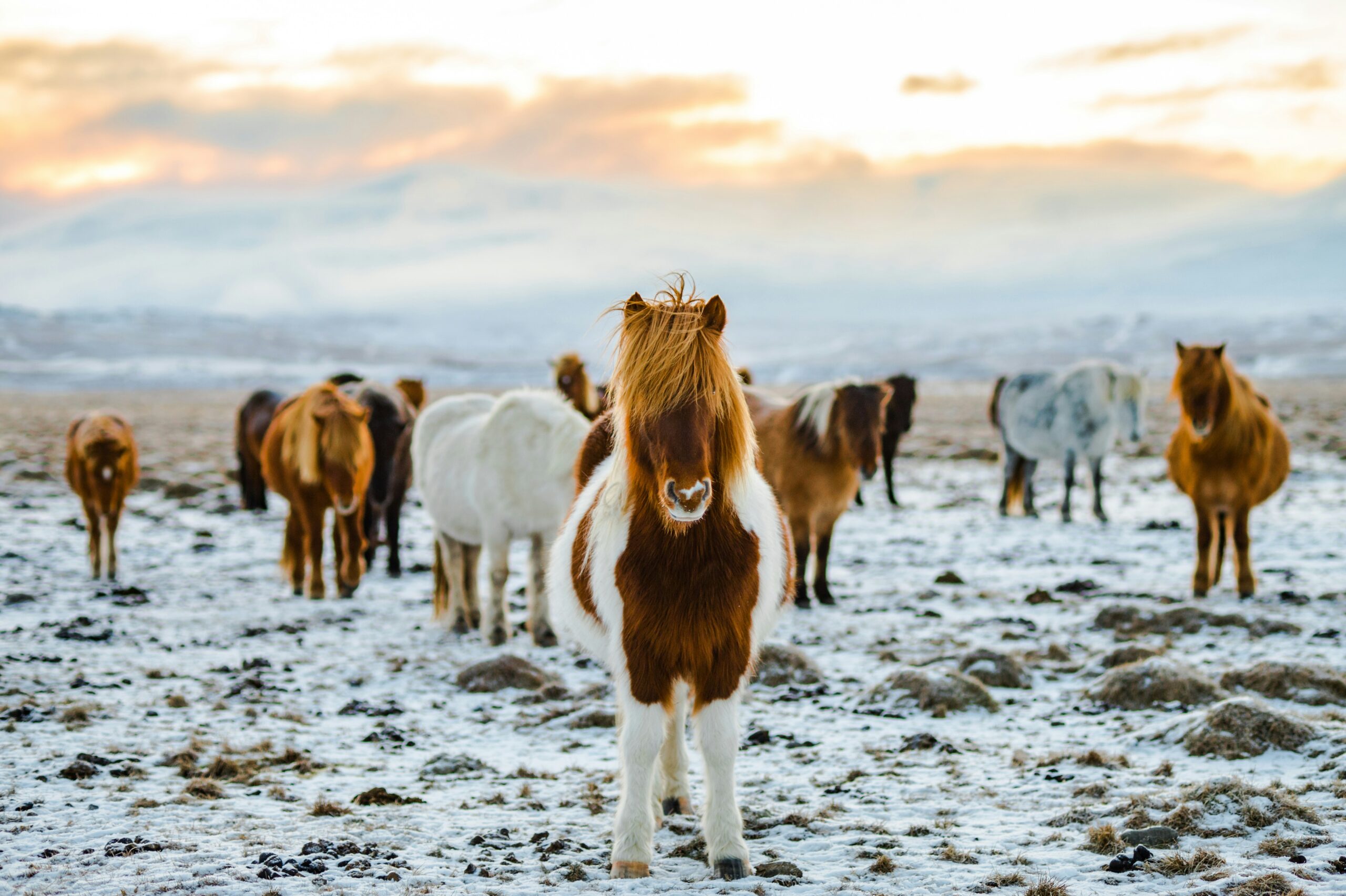
Caring for horses and ponies is a multifaceted undertaking that requires a profound understanding of their unique characteristics and needs. Despite the common perception that all equines are similar, the distinctions between horses and ponies are significant and encompass various aspects, from their size and nutritional requirements to exercise needs and overall health management. In this comprehensive exploration, we delve into the intricate world of equine care, shedding light on the nuances that differentiate the care of horses from that of ponies.
Size Matters
The most palpable divergence between horses and ponies lies in their size. Horses, by definition, stand over 14.2 hands high (hh), while ponies measure 14.2 hh and below. This difference in stature has far-reaching implications for their care, affecting everything from feeding and exercise to grooming and healthcare. Understanding the physiological distinctions that arise from size discrepancies is crucial for providing optimal care. Horses, being larger, may have a greater mass to support, leading to specific concerns such as joint issues and certain types of colic. Ponies, on the other hand, may exhibit a robust constitution and resilience but are prone to concerns like obesity, laminitis, and metabolic issues due to their smaller frames.
Nutritional Requirements:
The dissimilarity in size is a key factor influencing the nutritional needs of horses and ponies. Generally, ponies require less food than their larger counterparts, but this does not translate to a one-size-fits-all approach. Ponies may be more efficient at utilizing nutrients, making it imperative not to overfeed them. Conversely, horses may require a more substantial amount of feed to meet their energy demands, particularly if engaged in strenuous activities like racing or jumping. Balancing the equine diet involves considering factors such as age, activity level, and overall health. Tailoring nutrition to the specific needs of each equine, whether horse or pony, is fundamental to maintaining their well-being.
Exercise and Pasture Management
The exercise requirements for horses and ponies vary, influenced by factors such as size, temperament, and overall health. Ponies, renowned for their hardiness and endurance, can often thrive with less structured and more varied exercise routines. Their smaller size might mean they benefit from smaller pasture areas.In contrast, horses may require more structured exercise regimens, ensuring they receive adequate physical activity to maintain both physical and mental health. The size of the horse might necessitate more extensive pasture areas for free movement, thereby contributing to their overall well-being.
Health Considerations
Health management is a cornerstone of equine care, and understanding the unique health considerations for horses and ponies is paramount. Ponies, with their predisposition to obesity, laminitis, and metabolic issues, require meticulous monitoring of diet and exercise. Implementing preventive measures and early intervention strategies can mitigate the risks associated with these conditions. Horses, due to their larger frames, may be more susceptible to joint issues and specific types of colic. Regular veterinary check-ups, proper dental care, and vaccination schedules are crucial for both horses and ponies. Tailoring healthcare practices to address the specific needs of each equine ensures a proactive and holistic approach to their well-being.
Grooming and Maintenance
Grooming is an essential aspect of equine care, promoting not only a clean and healthy coat but also fostering a bond between the caretaker and the equine. While both horses and ponies require regular grooming, the process may differ based on their size and individual needs. Ponies, being smaller, may be more manageable during grooming sessions, requiring less time and effort. Horses, with their larger bodies, may demand more attention to brushing, cleaning, and hoof care. Adaptability in grooming techniques is essential to cater to the specific requirements of each equine, promoting their overall comfort and well-being.
Training and Temperament
Training approaches for horses and ponies often hinge on their individual temperament, which can be influenced by both genetics and environment. Ponies are often characterized by intelligence and stubbornness, requiring handlers with patience and consistency. Their smaller size might necessitate a different approach to handling and training.Horses, with their larger frames, may have different training needs, emphasizing the establishment of trust and a clear leadership dynamic. Understanding the unique personalities and behavioral traits of horses and ponies is integral to successful training and fostering a positive human-animal relationship.
Conclusion:
In the intricate tapestry of equine care, recognizing and adapting to the nuances between horses and ponies is paramount. By delving into the specific needs associated with size, nutrition, exercise, health, grooming, and training, caretakers can provide tailored and attentive care for these magnificent creatures. Equine enthusiasts and owners alike are encouraged to approach their responsibilities with a holistic understanding, ensuring the well-being and fulfillment of their horse or pony companions.